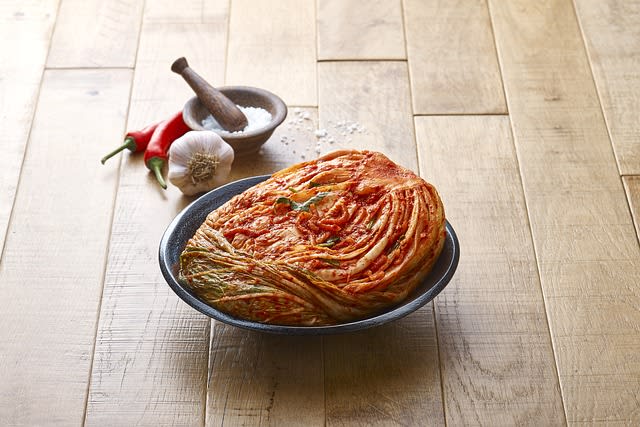
From Seoul to San Francisco: The Role of Kimchi in the Fermentation Culture Boom
Across the globe, the fermentation trend is bubbling over, and kimchi is at the heart of it all. Cities like San Francisco and Seoul are leading the charge with innovative kimchi applications that cater to the growing demand for fermented goodness. Join us as we travel across the world to examine how kimchi is capturing hearts and palates with its rich flavors and probiotic benefits.
Summary
Fermentation has become a culinary cornerstone, transforming kitchens from Seoul to San Francisco. At the forefront of this movement is kimchi, a traditional Korean dish that has captured global attention with its robust flavors and health benefits. This fermented delicacy is more than just a side dish; it's a cultural phenomenon driving innovation in food circles. As cities like San Francisco embrace kimchi's probiotic power, chefs and food enthusiasts are exploring new ways to incorporate it into everyday meals. From its historical roots in Korean cuisine to its modern interpretations in Western kitchens, kimchi is reshaping the way we think about fermented foods.
The Historical Significance of Kimchi in Korean Culture
The evolution of kimchi is a fascinating journey through Korea's history. Originally, kimchi was a simple fermented vegetable dish, primarily made with napa cabbage and radishes. However, the introduction of chili peppers from the Americas in the 16th century transformed kimchi into the spicy version we know today. This adaptation not only added flavor but also extended the preservation period, making it an essential part of the Korean diet. Over the centuries, kimchi has evolved into hundreds of varieties, each region and family adding their unique twist, reflecting the diversity and adaptability of Korean culture.
In recent years, the global interest in fermented foods has brought kimchi to the forefront of culinary exploration worldwide. Its historical significance is now being appreciated beyond Korea's borders, as chefs and food enthusiasts explore its complex flavors and health benefits. The global kimchi market has seen a surge, with exports from Korea reaching new heights, driven by the growing demand for fermented foods. This trend is not just about taste; it's a nod to the cultural richness and historical depth that kimchi represents.
As we delve into the world of kimchi, it's essential to recognize its role as a cultural ambassador. In South Korea, kimchi is more than just food; it's a symbol of national identity and pride. Festivals dedicated to kimchi, such as the Gwangju World Kimchi Festival, celebrate its cultural heritage and offer a platform for sharing this beloved dish with the world. These events serve as a reminder of kimchi's enduring place in Korean culture and its growing influence on the global stage.
Health Benefits of Kimchi: Probiotics and Beyond
Beyond its probiotic content, kimchi is packed with essential nutrients. Being made from vegetables like napa cabbage and radishes, it provides a good amount of dietary fiber, vitamins A and C, and various antioxidants. These nutrients play a significant role in maintaining eye health, supporting the immune system, and protecting the body against oxidative stress. Furthermore, the fermentation process enhances the bioavailability of these nutrients, making them easier for the body to absorb and utilize.
Recent trends have spotlighted kimchi's potential role in weight management. Some research suggests that the fermentation process may increase the body's ability to metabolize fat, thus aiding in weight loss or maintenance. This has piqued the interest of health enthusiasts looking for natural ways to support their fitness goals. Moreover, the capsaicin found in the chili peppers used in kimchi can also boost metabolism, providing an additional edge for those seeking to manage their weight.
Incorporating kimchi into your daily diet can be both simple and rewarding. Whether you enjoy it as a side dish, mix it into rice dishes, or use it as a spicy topping for burgers and tacos, the versatility of kimchi makes it easy to enjoy its health benefits. As more people embrace fermented foods for their gut-friendly properties, kimchi continues to stand out as a delicious and nutritious option.
Kimchi's Global Journey: From Seoul to San Francisco
1. A cultural ambassador from Korea
For centuries, kimchi has been an integral part of Korean cuisine, with over 200 documented varieties. Each type of kimchi tells a story of regional ingredients and family traditions. As Korean culture began to spread globally, particularly through the Korean Wave or "Hallyu," which includes K-pop, Korean dramas, and films, kimchi found its way into the hearts and kitchens of international audiences. This cultural phenomenon played a significant role in sparking curiosity about Korean food, with kimchi often serving as the gateway dish.
2. The rise of Korean restaurants and chefs
The proliferation of Korean restaurants across major cities worldwide has been pivotal in popularizing kimchi. In San Francisco, for instance, the vibrant culinary scene has embraced Korean cuisine, with chefs like Corey Lee of Benu and David Chang of Momofuku fame incorporating kimchi into their innovative dishes. These chefs have not only introduced kimchi to a broader audience but have also inspired home cooks to experiment with it in their kitchens.
3. Kimchi in the spotlight of health trends
The health benefits of kimchi have also contributed to its global popularity. As people become more health-conscious, the demand for probiotic-rich foods like kimchi has surged. Studies have shown that kimchi can improve gut health, boost the immune system, and even have anti-inflammatory properties. This has resonated particularly well with health-focused communities in places like San Francisco, where wellness trends often take root.
4. Fusion and innovation in cuisine
Kimchi's versatility has made it a favorite ingredient in fusion cuisine. In San Francisco, chefs and home cooks alike are using kimchi in creative ways, from kimchi tacos and burgers to kimchi-infused cocktails. This adaptability not only showcases kimchi's robust flavors but also highlights its ability to complement and enhance a variety of dishes, making it a staple in modern culinary innovation.
5. The fermentation trend
The global fermentation trend, which includes foods like sauerkraut, kombucha, and sourdough, has further propelled kimchi into the spotlight. This trend emphasizes the importance of traditional preservation methods and the health benefits they offer. Kimchi, with its deep-rooted history and health benefits, fits seamlessly into this narrative, making it a darling of the fermentation movement.
6. Practical tips for incorporating kimchi
For those looking to incorporate kimchi into their everyday meals, there are numerous simple and delicious ways to do so. Consider adding kimchi to scrambled eggs for a spicy kick, using it as a topping on pizza for an umami-rich twist, or mixing it into a grain bowl for added texture and flavor. The possibilities are endless, and experimenting with kimchi can lead to exciting culinary discoveries.
As kimchi continues to gain popularity worldwide, its journey from Seoul to San Francisco serves as an inspiring example of how food can transcend cultural boundaries, bringing people together through shared tastes and experiences. This humble yet powerful dish not only enriches our palates but also connects us to a rich cultural heritage that continues to evolve and inspire.
Innovative Kimchi Applications in Modern Cuisine
1. Kimchi tacos and burgers
The fusion of Korean and Mexican cuisines has been a culinary trendsetter, and kimchi tacos are a perfect example. By adding kimchi to tacos, chefs create a delightful balance of spicy, tangy, and savory flavors. Similarly, kimchi has become a popular topping for burgers, offering a zesty kick that complements the richness of beef or plant-based patties.
2. Kimchi in breakfast dishes
Breakfast is no longer just about eggs and bacon. Kimchi has made its way into morning meals, offering a vibrant start to the day. Restaurants are serving kimchi omelets, where the fermented vegetables add a spicy contrast to the creamy eggs. Kimchi pancakes, known as "kimchi jeon," are also gaining popularity, often served with a side of soy-vinegar dipping sauce.
3. Kimchi in pasta and pizza
Italian classics are getting a spicy makeover with the addition of kimchi. Kimchi pasta dishes, such as kimchi carbonara or kimchi spaghetti, are becoming favorites among food enthusiasts. The fermented cabbage adds a unique depth to the creamy sauces. On the pizza front, kimchi is being used as a topping, blending harmoniously with mozzarella and other traditional ingredients to create a fusion of flavors that is both unexpected and delightful.
4. Kimchi cocktails
Innovative bartenders are now crafting cocktails that feature kimchi, adding a spicy twist to traditional drinks. Kimchi-infused vodka or soju can be found in cocktails that offer a bold and savory experience. These drinks often pair well with Korean-inspired bar snacks, creating a cohesive and thematic dining experience.
5. Kimchi in plant-based cuisine
As plant-based diets continue to rise in popularity, kimchi is playing a crucial role in adding flavor and nutrition to vegan and vegetarian dishes. Kimchi fried rice made with tofu or tempeh is a hearty and satisfying option. Additionally, kimchi is being used in vegan kimchi stews, where its umami-rich taste enhances the depth of plant-based broths.
6. Kimchi as a condiment
Beyond being a standalone dish, kimchi is increasingly used as a condiment to add flavor to a variety of meals. It is being incorporated into sandwiches, wraps, and grain bowls, offering a quick and easy way to enjoy its health benefits. The probiotics in kimchi contribute to gut health, making it a valuable addition to everyday meals.
These innovative applications of kimchi in modern cuisine highlight its versatility and appeal. Whether you're a seasoned kimchi lover or new to this fermented delight, there's no shortage of creative ways to enjoy it. As chefs continue to experiment, we can expect even more exciting kimchi-based dishes to emerge, further cementing its role in the global food scene.
The Role of Kimchi in the Fermentation Trend
One of the most significant roles kimchi plays in the fermentation trend is its contribution to gut health. Fermented foods like kimchi are rich in probiotics, which are live microorganisms that can provide numerous health benefits when consumed. These probiotics help maintain a healthy balance of gut bacteria, which is crucial for digestion, immune function, and even mental health. As more people become aware of the importance of gut health, the demand for probiotic-rich foods has skyrocketed, with kimchi at the forefront.
Kimchi's popularity has also been bolstered by its adaptability in modern culinary applications. Chefs and home cooks alike are experimenting with kimchi in non-traditional ways, such as using it as a topping for pizza, a flavorful addition to grilled cheese sandwiches, or even as an ingredient in tacos. This versatility has helped kimchi transcend its traditional roots and become a staple in fusion cuisine, appealing to a wide audience eager to try new flavors and textures.
Furthermore, the fermentation trend has been driven by a growing interest in sustainable and homemade food practices. Fermenting foods like kimchi at home is not only cost-effective but also allows individuals to control the ingredients and fermentation process, ensuring a healthier and more personalized product. This DIY approach has resonated with those looking to reduce their carbon footprint and support local agriculture by using locally sourced vegetables.
In recent months, the trend has been further amplified by social media platforms where food enthusiasts share their fermentation journeys, inspiring others to explore the world of fermented foods. Kimchi, with its vibrant colors and bold flavors, makes for visually appealing content that encourages more people to give fermentation a try.
In essence, kimchi is more than just a traditional Korean dish; it is a symbol of the broader fermentation movement that emphasizes health, sustainability, and culinary innovation. As the world continues to embrace the benefits of fermentation, kimchi's role in this trend is likely to grow even more prominent.
How to Incorporate Kimchi into Everyday Meals
For those who enjoy cooking, kimchi can be a star ingredient in various recipes. Consider adding it to stir-fries or fried rice for an extra kick of flavor. When sautéed with vegetables and a protein of your choice, kimchi can transform a simple dish into something extraordinary. Another popular method is incorporating kimchi into soups and stews. Kimchi jjigae, a traditional Korean stew, is a hearty option that combines kimchi with tofu, pork, or seafood, creating a comforting dish perfect for any season.
Breakfast enthusiasts will be delighted to know that kimchi can also shine in morning meals. Try adding it to scrambled eggs or omelets for a spicy twist. Kimchi pancakes, known as kimchi jeon, are a savory treat that can be enjoyed any time of day. Made by mixing kimchi with a simple batter of flour and water, these pancakes are crispy on the outside and packed with flavor on the inside.
For those seeking a plant-based option, kimchi pairs wonderfully with grains and legumes. Toss it into a quinoa salad or mix it with lentils for a protein-rich, flavorful dish. The fermentation process of kimchi not only enhances its taste but also provides gut-friendly probiotics, making it a nutritious addition to vegan and vegetarian meals.
Finally, kimchi can be used to make unique fusion dishes. Kimchi tacos, for example, combine the spicy flavors of kimchi with the savory taste of grilled meat or tofu, all wrapped in a soft tortilla. This blend of Korean and Mexican cuisines has been gaining popularity, offering a delicious way to enjoy kimchi in a non-traditional format.
Whether you're a seasoned cook or a kitchen novice, incorporating kimchi into your meals is an excellent way to explore new flavors while reaping the health benefits of this fermented food. Its versatility makes it a must-have in any culinary repertoire.