Origins of BBQ in the Goguryeo Era
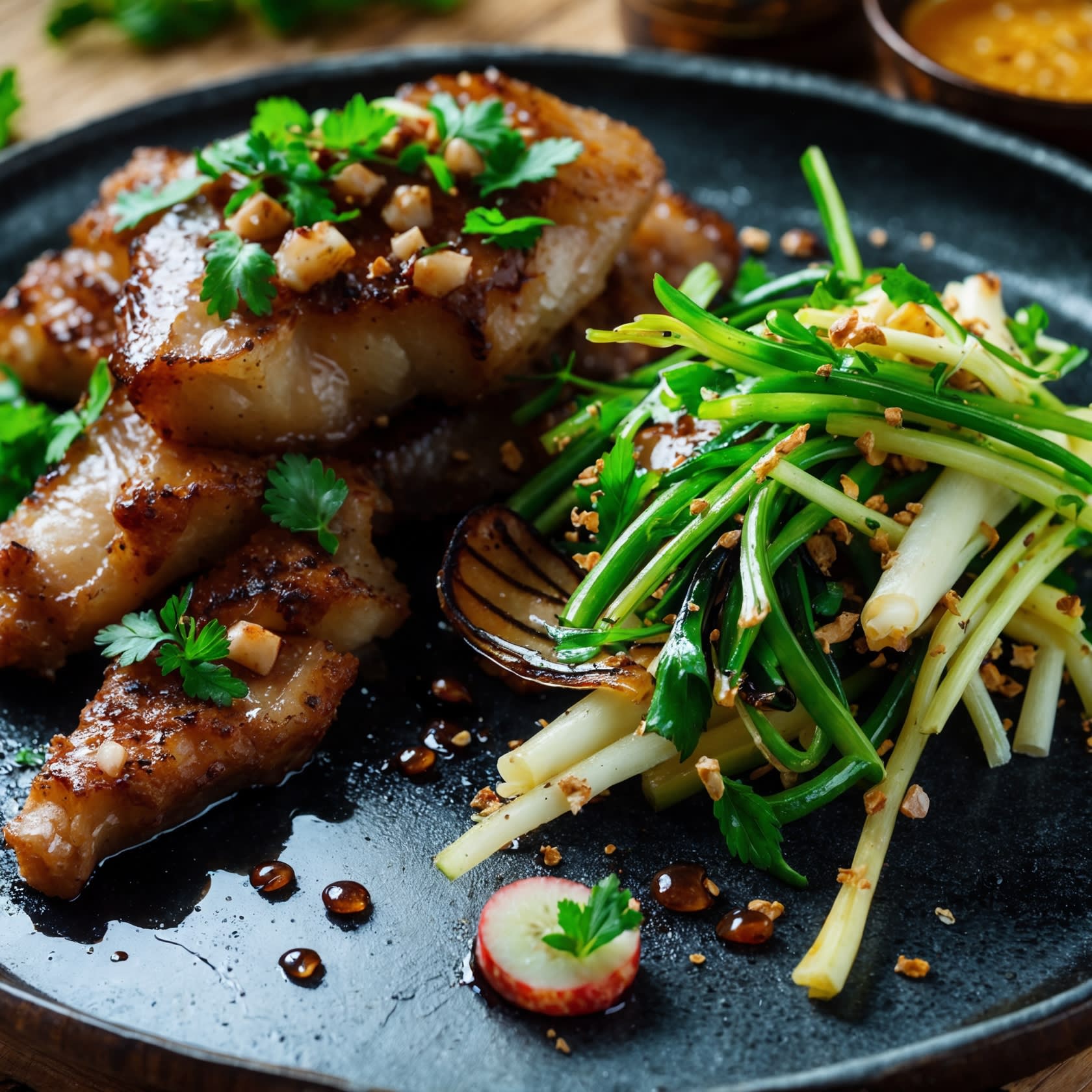
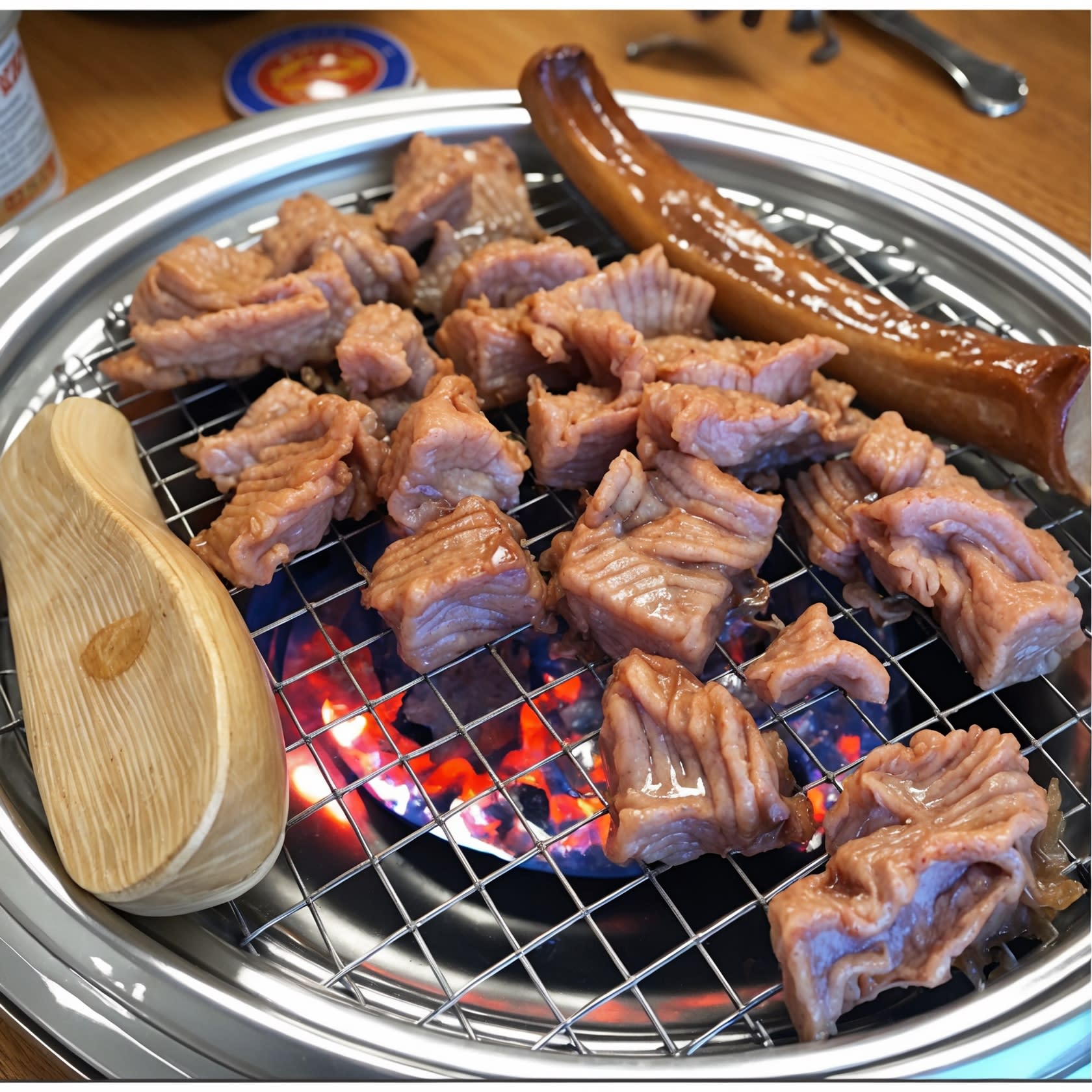
The history of Korean BBQ dates back to the Goguryeo era. During that time, grilling meat over open flames was the predominant method of cooking. The Goguryeo people raised livestock and, through grazing, secured fresh meat, which became an essential part of their diet prepared in various ways. This tradition was passed down through generations, laying the foundation for today’s Korean BBQ culture.
|
Cooking Method
|
Characteristics
|
|
Direct Grilling
|
Grilling meat directly over fire to maximize flavor
|
|
Wood Furnace
|
Slow-cooking meat using wood as fuel
|
|
BBQ Skewers
|
Cutting meat into small pieces and grilling on skewers
|
Evolution of Korean BBQ Through the Ages
After the Goguryeo era, Korean BBQ continued to develop through the Three Kingdoms period, incorporating various regional characteristics. During the Goryeo and Joseon dynasties, BBQ became more refined with sophisticated marinades and cooking methods, establishing unique styles in different regions. For example, in Jeolla-do, the practice of enjoying meat with fresh vegetables flourished, while in Gyeongsang-do, marinades using soy sauce and gochujang became distinctive. This regional diversity played a crucial role in creating the rich flavors and aromas of Korean BBQ.
|
Era
|
Major Changes and Developments
|
|
Goguryeo
|
Basic direct grilling and use of wood furnaces
|
|
Three Kingdoms
|
Introduction of diverse regional cooking methods
|
|
Goryeo
|
Refinement of marinades and cooking techniques, increased importance of BBQ in social events
|
|
Joseon
|
Establishment of unique regional marinades and cooking methods, popularity across both upper and lower classes
|
Traditional BBQ Techniques vs Modern Techniques
Traditional Korean BBQ primarily relied on charcoal or wood furnaces to grill meat, with marinades based on natural ingredients such as soy sauce, garlic, and sesame oil. In contrast, modern techniques utilize a variety of contemporary cooking tools like gas grills and electric grills, incorporating diverse global marinades and sauces to create new flavors. Additionally, modern technologies such as low-temperature cooking and automated grilling systems have been introduced, enhancing efficiency and ensuring consistent taste.
|
Technique Type
|
Characteristics
|
|
Traditional Techniques
|
Use of charcoal and wood furnaces, natural ingredient-based marinades, hand-cooked
|
|
Modern Techniques
|
Use of gas/electric grills, introduction of diverse global marinades, low-temperature cooking and automation
|
|
Hybrid Techniques
|
Combination of traditional and modern methods, balancing authentic flavors with modern efficiency
|
Korean BBQ on the Global Stage
In recent years, Korean BBQ has gained immense popularity worldwide. Particularly in regions such as the United States, Europe, and Asia, Korean BBQ restaurants have proliferated, offering localized menus. This globalization is driven by the increasing demand for high-quality meats and the fusion of various marinades and cooking methods. Furthermore, with the rise of K-Food, Korean BBQ has become an international culinary trend, appreciated by diverse cultures as a universally enjoyable cuisine.
|
Region
|
Number of Restaurants
|
Features and Popular Dishes
|
|
United States
|
1,500+
|
Diverse and spicy marinades, modern ambiance
|
|
Europe
|
800+
|
Combination of traditional cooking methods and local ingredients
|
|
Southeast Asia
|
600+
|
Simple cooking methods with region-specific menus
|
|
Australia
|
200+
|
Selection of healthy meats and fusion with modern BBQ culture
|
Cultural Significance of Korean BBQ
Korean BBQ is more than just a meal; it serves as a vital medium for social interaction and communication. Whether it's family gatherings, friendly meet-ups, or business dinners, Korean BBQ plays a central role in various social activities, showcasing Korea’s culture of hospitality and community spirit. Additionally, Korean BBQ stands as a cultural symbol that harmonizes traditional and modern elements, reflecting the identity and pride of the Korean people.
|
Role
|
Description
|
|
Social Interaction
|
Central role in family and friend gatherings
|
|
Business Dinners
|
Facilitates relationship building and strengthening in business settings
|
|
Cultural Symbol
|
A cultural icon that encompasses both traditional and modern aspects
|
|
Community Spirit
|
Enhances community consciousness through shared meals
|
Future Prospects and Sustainability
Korean BBQ continues to evolve and innovate, with promising prospects for sustainable growth. As health consciousness rises, there is an increasing trend towards low-fat meats and the use of organic ingredients in BBQ. Furthermore, the emphasis on environmentally friendly cooking methods and sustainable sourcing of ingredients is expected to position Korean BBQ as a responsible culinary culture. With advancements in technology, new cooking techniques and innovations aligned with global trends will persist, further solidifying the global popularity of Korean BBQ.
|
Trend
|
Description
|
|
Health-Oriented BBQ
|
Use of low-fat meats, organic ingredients, development of healthy marinades
|
|
Eco-Friendly Cooking
|
Use of environmentally friendly grills, sustainable ingredient sourcing
|
|
Technological Integration
|
Adoption of smart grills and automated cooking systems
|
|
Global Fusion
|
Development of new marinades and cooking methods through cultural fusion
|
|
Sustainability
|
Establishment of sustainable supply chains, minimization of food waste
|