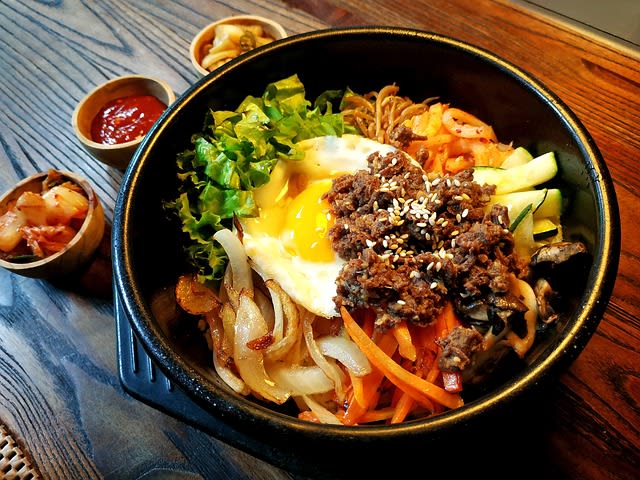
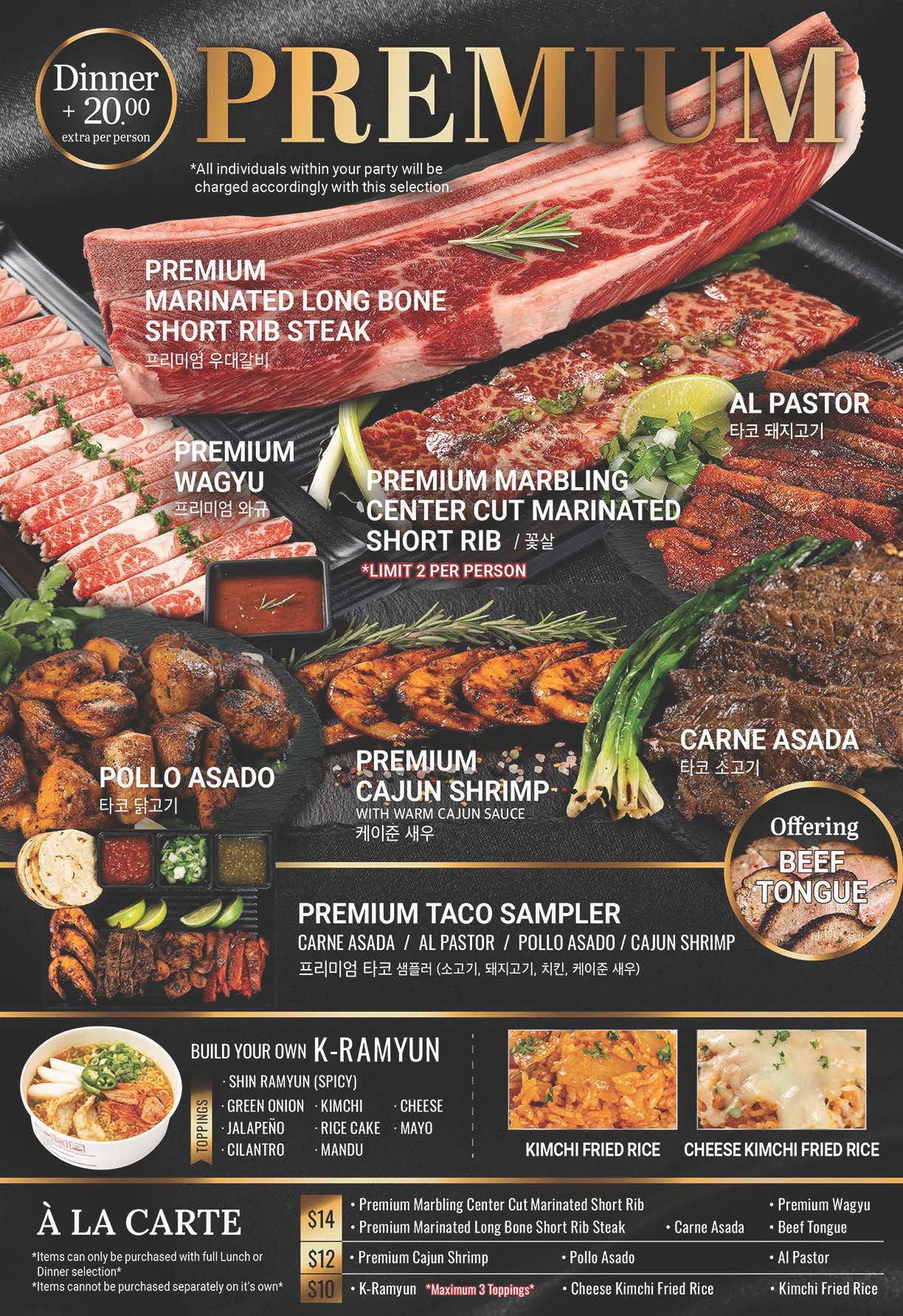
Background of the Growth in the Korean Food Market
The Korean food market has experienced remarkable growth over the past few years. This expansion has been further accelerated by the influence of the Korean Wave (Hallyu) and the increasing number of global consumers prioritizing health. The popularity of Korean cuisine is driven by healthy fermented foods the use of fresh ingredients and the harmonious blend of diverse flavors. Additionally the proliferation of social media and online reviews has played a significant role in enhancing the recognition of Korean food.
|
Growth Factor
|
Description
|
|
Spread of Hallyu
|
Increased interest in Korean food through dramas movies and music
|
|
Health-Oriented Trends
|
Rising demand for Korean food due to the popularity of healthy ingredients and fermented foods
|
|
Influence of SNS
|
Expansion of Korean cuisine through social media platforms like Instagram and YouTube
|
|
Harmony of Diverse Flavors
|
Securing a broad consumer base through the harmonious blend of various flavors such as spicy and sweet
|
Korean Cuisine and Globalization
Korean cuisine is beloved worldwide for its distinctive flavors and healthy ingredients. Globalization has increased the accessibility of Korean food making it easier for diverse cultures to experience it. Particularly the rapid increase in the number of Korean restaurants in regions like the United States Europe and Asia has further elevated the recognition of Korean cuisine. This globalization lays the foundation for the sustained growth of Korean food.
|
Indicator
|
Content
|
|
Change in Number of Korean Restaurants
|
Annual growth rate of Korean restaurants worldwide
|
|
Increase in Export Value
|
Growth in global exports of Korean-related ingredients and dishes
|
|
Awareness of Korean Cuisine Abroad
|
Survey results on the recognition of Korean food in major countries
|
|
Localization Cases
|
Successful examples of Korean food localization in various countries
|
Innovative Menus and Korean Food Trends
Korean cuisine maintains its traditional flavors while integrating modern trends to present innovative menus. For example adding fusion ingredients to bibimbap or creating various dishes using traditional kimchi has become popular. Additionally the number of Korean menu options for vegetarians and vegans is increasing catering to a diverse range of consumers. This innovation contributes to expanding the appeal of Korean food.
|
Menu Trend
|
Description
|
|
Fusion Bibimbap
|
Dishes that add various global ingredients to traditional bibimbap
|
|
Vegan Kimchi
|
Kimchi products made without animal-based ingredients
|
|
Korean Tacos
|
Fusion dishes in the style of Mexican tacos using Korean ingredients
|
|
Low-Calorie Korean Food
|
Low-calorie Korean menu options for health-conscious consumers
|
Expansion of Korean BBQ Restaurants in the United States
Korean BBQ enjoys significant popularity in the United States with the number of Korean restaurants continuously increasing. This growth is a result of American consumers' growing preference for the diversity and flavors of Korean cuisine. Korean BBQ has established itself as a suitable menu for family dining and social gatherings differentiating itself through various themes and services. This expansion plays a crucial role in the global growth of the Korean food market.
|
Year
|
Number of Korean BBQ Restaurants in the U.S.
|
Annual Growth Rate
|
|
2018
|
1200
|
-
|
|
2019
|
1350
|
12.5%
|
|
2020
|
1500
|
11.1%
|
|
2021
|
1700
|
13.3%
|
|
2022
|
1900
|
11.8%
|
Challenges and Opportunities
The growth of the Korean food market presents numerous opportunities but it also faces various challenges. Cultural differences arising during localization the stability of ingredient supply and positioning in a highly competitive global market are major challenges. However these challenges can be transformed into opportunities through innovative solutions. For example developing menus tailored to local tastes or establishing sustainable ingredient supply chains are viable strategies.
|
Challenge
|
Opportunity
|
|
Cultural Differences
|
Developing menus tailored to local tastes and creating diverse fusion dishes
|
|
Stability of Ingredient Supply
|
Establishing sustainable supply chains and utilizing local agricultural products
|
|
Global Competition
|
Positioning in the market through unique marketing strategies and brand differentiation
|
|
Rising Labor Costs
|
Reducing costs through the adoption of automation technologies and efficient operational strategies
|
Expert Predictions and Market Outlook
Experts predict that the Korean food market will continue to grow steadily reaching a market size of $55 billion by 2027. This forecast is based on the increasing preference for Korean food among global consumers and the sustained popularity of various Korean dishes including Korean BBQ. Additionally advancements in technological innovation and digital marketing are expected to further accelerate the global expansion of Korean cuisine.
|
Year
|
Projected Market Size
|
Key Growth Factors
|
|
2024
|
$30 billion
|
Continued Hallyu increasing popularity of Korean BBQ health food trends
|
|
2025
|
$40 billion
|
Development of innovative menus enhanced digital marketing expansion of global distribution networks
|
|
2026
|
$47.5 billion
|
Expansion of localized Korean menus establishment of sustainable ingredient supply chains
|
Data Visualization and Key Statistics
Various statistics and data supporting the growth of the Korean food market are visualized to provide a clear understanding at a glance. Yearly growth rates of market size trends in the number of Korean restaurants and the distribution of key consumer demographics empirically demonstrate the global success of Korean cuisine. This data serves as important reference material for future strategy development and market analysis.
|
Item
|
2020
|
2021
|
2022
|
2023
|
2024 (Projected)
|
|
Market Size (in billions USD)
|
$20
|
$25
|
$30
|
$40
|
$47.5
|
|
Number of Korean Restaurants
|
1500
|
1700
|
1900
|
2150
|
2300
|
|
Key Consumer Demographics (%)
|
Ages 25-34: 40%
|
Ages 25-34: 42%
|
Ages 25-34: 45%
|
Ages 25-34: 47%
|
Ages 25-34: 50%
|
|
Most Popular Dishes
|
Bibimbap
|
Bulgogi
|
Kimchi Jjigae
|
Korean BBQ
|
Korean BBQ
|