The Rise of Artisan Kimchi in the Local Market
In recent years, the humble Korean staple, kimchi, has been making waves in the United States, not just as a side dish but as a culinary phenomenon. The rise of artisanal kimchi in local markets is a testament to the growing consumer demand for unique and authentic flavors. This trend is not just about taste; it's about a cultural exchange and a celebration of craftsmanship. Let's dive into how local producers are crafting small-batch, artisanal kimchi varieties that are capturing the hearts and taste buds of Americans.
Summary
Artisanal kimchi is gaining popularity in the U.S., driven by a desire for authentic and diverse flavors. Local producers are experimenting with traditional and innovative recipes, offering small-batch varieties that cater to health-conscious and adventurous consumers. This movement reflects a broader trend of embracing global cuisines and supporting local craftsmanship.
The Cultural Appeal of Kimchi
The Cultural Allure of Kimchi: 3 Key Trends
1. Global Superfood Meets Gut Health Craze
In the age of probiotics and wellness-driven eating, kimchi has carved out a place as a gut-friendly, immune-boosting superfood. Fermented and full of natural probiotics, it’s become a staple in health-conscious American households — right alongside kombucha, kefir, and Greek yogurt. Functional nutritionists and food bloggers now regularly include kimchi in "gut health starter kits."✨ Trend tie-in: Rising interest in the gut-brain connection and mental wellness through food is boosting kimchi’s popularity among younger, health-aware demographics.
2. Fermented Flavor, Culinary Fusion
Kimchi’s bold, umami-rich taste is fueling a wave of fusion dishes across American kitchens and restaurants — from kimchi tacos and burgers to kimchi mac ‘n’ cheese and even kimchi Bloody Marys. It represents a broader cultural appreciation for complex, global flavors that challenge the bland and embrace the bold.✨ Trend tie-in: Kimchi is riding the wave of "global flavor elevation" — where traditional ethnic ingredients are reinterpreted through a modern, multicultural lens.
3. Symbol of Korean Cool (Hallyu Wave)
Thanks to K-pop, K-dramas, and Korean beauty, K-culture is booming in the U.S., and kimchi has become more than just a food — it's a cultural icon. For many Americans, trying kimchi is a fun, edible way to participate in the global Korean wave, while also signaling curiosity and cultural openness.✨ Trend tie-in: Younger generations are associating kimchi with cultural curiosity, authenticity, and the rise of K-lifestyle branding.
Local Producers and Their Craft
Local Kimchi Brands in the U.S. — From Coast to Coast, Fermentation with Heart
Kimchi isn't just having a moment in the U.S. — it's thriving. Thanks to the rise of gut health trends, Korean cultural influence, and a growing love for bold, fermented flavors, local producers across America are crafting their own versions of this iconic Korean dish. And what’s most exciting? Many of them are doing it with local ingredients, small-batch care, and a whole lot of love. Let’s take a flavorful trip through some of the standout local kimchi makers from coast to coast.New York City
Kimchi Kooks (Brooklyn, NY):Run by mother-son duo Kate Kook and WooJae Chung, Kimchi Kooks offers small-batch, hand-crafted kimchi using seasonal produce from nearby farms. Their lineup includes vegan options and limited-edition seasonal flavors, and they’ve become a staple in New York’s farmers market scene.(kimchikooks.com)
Kimchee Market (Greenpoint, Brooklyn)
:This cozy storefront specializes in Korean pantry staples and handmade vegan kimchi. It's a go-to for Brooklyn locals looking for clean, probiotic-rich options with that classic tangy punch.
Los Angeles
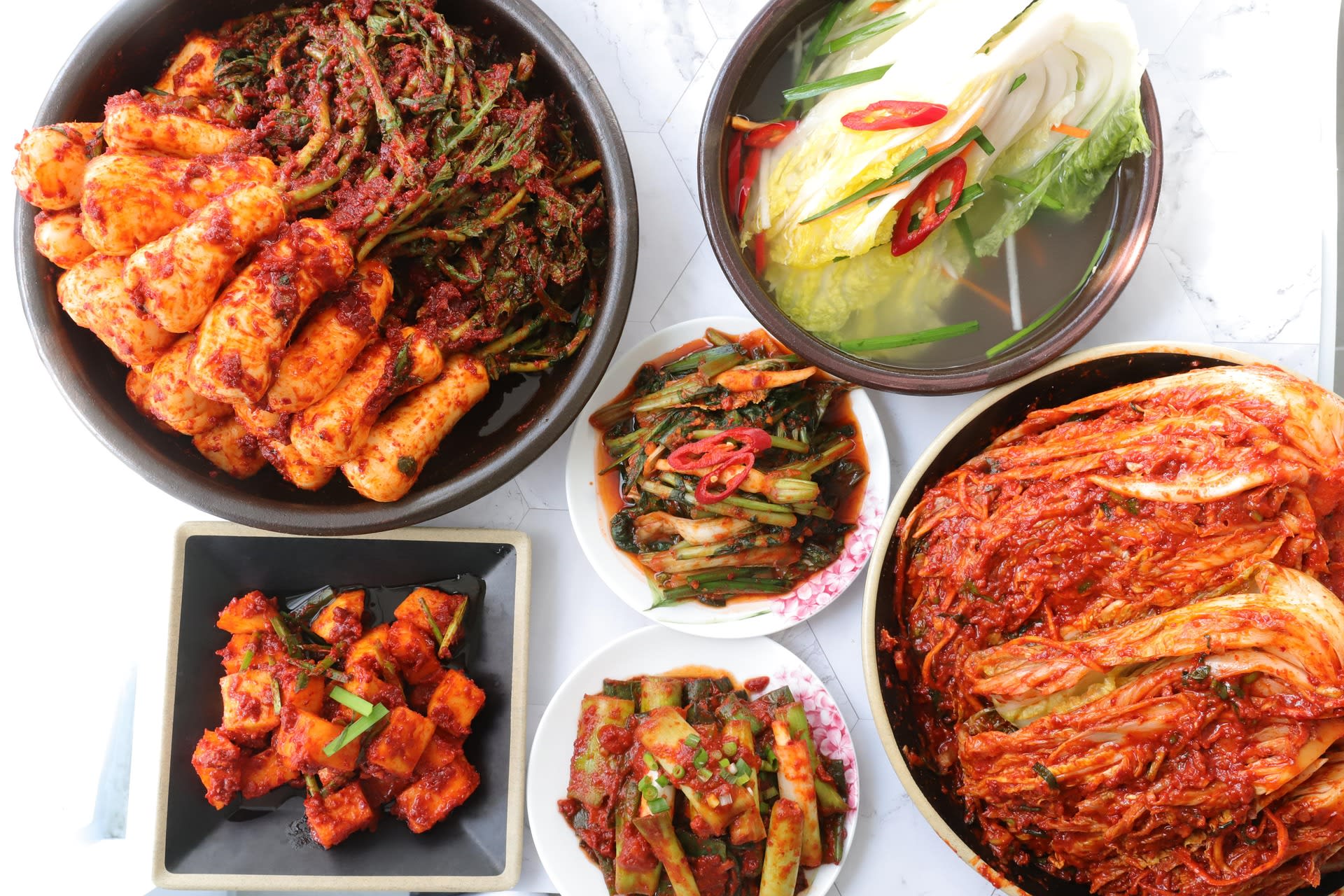
Seoul Do Soon Yi Kimchi Company (Koreatown, LA):A family-run gem in LA’s Koreatown, this small shop makes over 15 varieties of fresh kimchi every day — from traditional baechu (Napa cabbage) to spicy radish kimchi and more. Freshness is their secret weapon, and locals swear by it.
Miraku Kimchi (Gardena, CA)
:Blending Korean and Japanese influences, Miraku Kimchi is known for its deep umami flavors, incorporating ingredients like shiitake mushrooms and kombu. A hidden gem that caters to both cultural palates.
San Francisco Bay Area
Volcano Kimchi (San Francisco, CA):Founded by Aruna Lee, a former Buddhist monk, Volcano Kimchi emphasizes organic, plant-based recipes that stay true to Korean tradition while aligning with California’s clean-eating ethos. Sold at farmers markets and beloved by wellness-minded foodies.
Cultured Pickle Shop (Berkeley, CA)
:This shop has been a fermentation hub since the '90s, producing small-batch kimchi with creative twists. Think seasonal veggies, hand-harvested salt, and an obsession with depth of flavor.
Chicago
Grandma’s Authentic Handmade Kimchi (Joong Boo Market):Sold at Chicago’s beloved Joong Boo Market, this kimchi lives up to its name — lovingly prepared with a traditional recipe that balances spice, tang, and that signature funk.
Kimchi Pop (Chicago, IL)
:A newer brand making waves with fun, flavorful twists on classic kimchi. Think: garlic-forward blends, vegan recipes, and even kimchi rice bowls for takeout.
Seattle
Kimchi House (Seattle, WA):A local favorite known for its balanced flavor and wide selection, Kimchi House provides both mild and spicy varieties that cater to Seattle’s multicultural food scene. Perfect for kimchi newbies and die-hard fans alike.
The Local Difference
What makes these brands special isn’t just the kimchi — it’s the story, craft, and community behind every jar. Whether you’re drawn to vegan recipes, bold flavors, or simply want to support small businesses, there’s a local kimchi out there with your name on it. Next time you’re at a farmers market, a neighborhood grocer, or browsing online — keep an eye out for these names. Your taste buds (and your gut) will thank you.| Region | Key Ingredient | Unique Flavor |
|---|---|---|
| California | Napa Cabbage | Spicy and Fresh |
| New York | Apples | Sweet and Tangy |
Health Benefits and Consumer Trends
| Benefit | Component | Target Audience |
|---|---|---|
| Digestive Health | Probiotics | Millennials |
| Immune Support | Antioxidants | Gen Z |