5 Easy Ways to Incorporate Kimchi into Your Everyday Meals
If you're wondering how to go beyond just scooping kimchi straight from the jar, we've got you covered! This tangy delight can transform ordinary dishes into extraordinary flavor experiences. From kimchi pancakes to kimchi-infused soups, let's explore five simple yet satisfying ways to make kimchi a staple in your daily culinary routine.
Summary
Kimchi, the spicy and tangy Korean staple, is no longer just an exotic side dish. It's time to elevate your culinary repertoire by making kimchi a regular feature in your meals. This fermented delight not only adds a burst of flavor to your dishes but also comes packed with health benefits, thanks to its probiotic-rich profile. In this blog post, we'll explore five creative and straightforward ways to incorporate kimchi into your everyday meals, turning mundane dining into a gastronomic adventure. From whipping up kimchi pancakes to crafting a hearty kimchi-infused soup, each method promises to transform your cooking with minimal effort and maximum taste.
Exploring the Health Benefits of Kimchi
Recent studies have also highlighted kimchi's potential role in supporting weight management. The fermentation process not only enhances its nutritional profile but also may help in controlling appetite and reducing body fat. This is partly due to the presence of beneficial bacteria like Lactobacillus, which can influence metabolism and fat storage. While kimchi should not replace a balanced diet and regular exercise, incorporating it into meals could be a tasty way to support your weight loss goals.
Another exciting benefit of kimchi is its anti-inflammatory properties. Ingredients like garlic, ginger, and chili peppers, commonly used in kimchi, are known for their anti-inflammatory effects. Consuming foods with these properties can help reduce inflammation in the body, potentially lowering the risk of chronic diseases such as heart disease and arthritis. As more people become aware of the importance of reducing inflammation, kimchi offers a delicious way to support this aspect of health.
In addition to these benefits, kimchi is rich in antioxidants, which help protect the body from oxidative stress and free radicals. These antioxidants can contribute to healthier skin, improved vision, and a reduced risk of chronic diseases. With its combination of vitamins, minerals, and beneficial bacteria, kimchi is a versatile food that not only enhances the flavor of dishes but also supports overall well-being.
Creating Flavorful Kimchi Pancakes for Breakfast
1. Understanding the basics
Kimchi pancakes are a savory treat made by combining kimchi with a simple batter of flour and water. The fermented tang of kimchi, combined with the crispy texture of the pancake, creates a unique and satisfying dish. The beauty of kimchi pancakes lies in their simplicity and versatility. You can easily customize them by adding ingredients like scallions, onions, or even seafood, depending on your preference.
2. Health benefits on your plate
Incorporating kimchi into your breakfast not only adds flavor but also brings a host of health benefits. Kimchi is rich in probiotics, which are known to support gut health. According to a study published in the Journal of Medicinal Food, the fermentation process involved in making kimchi enhances its nutritional profile, providing vitamins A, B, and C, as well as beneficial lactic acid bacteria. Starting your day with a probiotic-rich dish can aid digestion and boost your immune system.
3. Making kimchi pancakes at home
Creating kimchi pancakes at home is straightforward and requires minimal ingredients. Here’s a simple recipe to get you started:
- 1 cup of chopped kimchi
- 1/2 cup of all-purpose flour
- 1/4 cup of water
- 1 egg (optional for added richness)
- A pinch of salt
- Cooking oil for frying
Mix the flour, water, and egg in a bowl to form a smooth batter. Stir in the chopped kimchi and salt. Heat a non-stick skillet over medium heat and add a little oil. Pour a ladleful of the batter into the skillet, spreading it evenly. Cook until the edges are crispy and golden brown, then flip to cook the other side. Serve hot with a dipping sauce made from soy sauce, vinegar, and a touch of sesame oil.
4. Quick and creative variations
For those who like to experiment, there are endless variations to explore. You can add shredded zucchini or carrots for extra nutrients, or a handful of cheese for a creamy twist. If you’re feeling adventurous, try incorporating some gochujang (Korean chili paste) for a spicy kick. These variations not only enhance the flavor but also add nutritional value to your breakfast.
5. A global breakfast trend
In 2025, the trend of incorporating global flavors into traditional meals continues to rise. Kimchi pancakes have found their way into breakfast menus across the U.S. and U.K., appealing to those seeking new culinary experiences. This dish not only satisfies the palate but also aligns with the growing interest in fermented foods and their health benefits.
6. Pairing with other breakfast items
Kimchi pancakes pair wonderfully with a variety of breakfast items. Consider serving them alongside a poached egg or avocado slices for a balanced meal. The richness of the egg complements the tangy pancakes, while avocado adds a creamy texture, creating a well-rounded breakfast that keeps you full and energized.
Embracing kimchi pancakes as part of your breakfast routine is a delightful way to enjoy the complex flavors and health benefits of kimchi. Whether you stick to the classic recipe or venture into creative variations, this dish is sure to become a staple in your morning repertoire.
Elevating Your Sandwiches with Kimchi
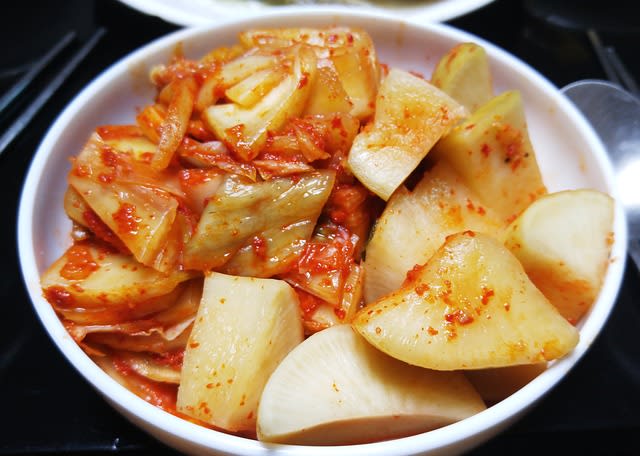
Adding kimchi to sandwiches is not just about flavor; it's about enhancing the nutritional profile of your meal. Kimchi is rich in probiotics, which are known to support gut health. According to a study published in the Journal of Medicinal Food, these beneficial bacteria can aid digestion and boost the immune system. By incorporating kimchi into your sandwich, you're not only enjoying a tasty meal but also reaping these health benefits.
For a simple yet delicious upgrade, try adding kimchi to a grilled cheese sandwich. The heat from the grill will slightly mellow the kimchi's sharpness, creating a harmonious blend with the melted cheese. This combination is a favorite among food enthusiasts who enjoy mixing traditional comfort foods with international flavors. If you're feeling adventurous, consider pairing kimchi with roast beef or turkey for a savory twist on a classic sandwich.
Vegetarians and vegans can also enjoy the magic of kimchi. A kimchi and avocado sandwich on whole-grain bread offers a delightful balance of creaminess and tang. The healthy fats from the avocado complement the spicy and sour notes of the kimchi, making it a satisfying and nutritious choice. For added texture, sprinkle some toasted sesame seeds or crushed peanuts before serving.
As of 2025, the trend of incorporating fermented foods into everyday meals continues to rise, with kimchi leading the charge. This versatile ingredient is not only a testament to the growing appreciation for global flavors but also reflects a broader movement towards healthier eating habits. So next time you're preparing a sandwich, reach for that jar of kimchi and elevate your meal to new heights.
Crafting a Comforting Kimchi Soup
1. Understanding the ingredients
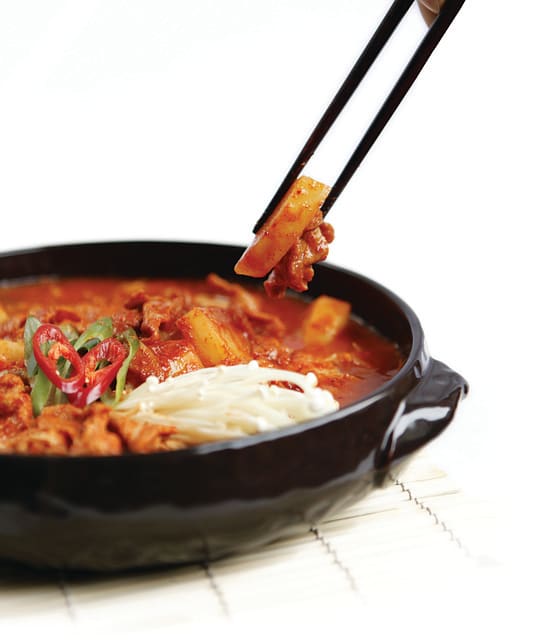
The foundation of a good kimchi soup starts with quality ingredients. The star of the show is, of course, kimchi. Opt for well-fermented kimchi, which is richer in flavor and has a more pronounced tanginess. Other common ingredients include tofu, pork or beef, and vegetables like onions and mushrooms. The broth is typically made with a combination of water, kimchi juice, and sometimes a dash of fish sauce or soy sauce for depth.
2. The health benefits of kimchi soup
One of the main reasons kimchi soup has gained popularity is its health benefits. Kimchi itself is rich in probiotics, which support gut health and enhance digestion. According to a study published in the Journal of Medicinal Food, kimchi consumption has been linked to improved immune function and reduced inflammation. The soup also provides a good source of protein and fiber, making it a well-rounded meal option.
3. Crafting your perfect bowl
Preparing kimchi soup at home is a straightforward process that can be tailored to your taste preferences. Begin by sautéing onions and garlic in a pot until fragrant. Add slices of pork or beef, cooking until browned. Incorporate your kimchi and let it cook for a few minutes to release its flavors. Pour in the broth, add tofu and vegetables, and let the soup simmer. Adjust the seasoning with salt, pepper, and a splash of sesame oil before serving.
4. Tips for enhancing flavor
To elevate the flavor of your kimchi soup, consider these tips:
- Use anchovy stock or kombu broth as a base for added umami.
- Add a spoonful of gochujang (Korean red chili paste) for extra heat and depth.
- Sprinkle chopped green onions and sesame seeds on top before serving for a fresh finish.
5. A versatile dish for any occasion
Kimchi soup is incredibly versatile and can be adapted to suit various dietary needs. For a vegetarian version, simply omit the meat and use vegetable broth. You can also add noodles or rice to make the dish more filling. This adaptability makes kimchi soup an excellent choice for family dinners or cozy nights in.
6. Embracing global culinary trends
In recent months, the trend of fusion cuisine has seen kimchi soup being incorporated into Western dishes. Chefs are experimenting with kimchi soup bases in pasta sauces, risottos, and even as a unique twist on classic tomato soup. This global appreciation reflects the growing interest in fermented foods and their benefits, making kimchi soup a staple in kitchens worldwide.
Creating a comforting kimchi soup at home not only provides a delicious meal but also taps into the broader trend of incorporating fermented foods into everyday diets. With its rich flavors and health benefits, it's no wonder that kimchi soup continues to be a beloved dish around the globe.
Adding a Tangy Twist to Salads with Kimchi
Incorporating kimchi into salads is a trend that's been gaining traction, particularly in the last year. Food enthusiasts and health bloggers alike are praising its ability to transform a simple salad into a gourmet experience. To make the most of kimchi in your salads, consider pairing it with ingredients that complement its spicy and sour notes. For instance, a mix of fresh greens like spinach or arugula, crunchy vegetables such as cucumbers and carrots, and a sprinkle of toasted sesame seeds can create a well-balanced and flavorful dish.
For those who enjoy experimenting in the kitchen, try making a kimchi vinaigrette. Simply blend kimchi with olive oil, rice vinegar, a touch of honey, and a dash of soy sauce. This dressing can be drizzled over any salad to add a spicy kick and a probiotic boost. Alternatively, you can toss kimchi directly into your favorite salad recipe for a quick and easy flavor enhancement.
Kimchi's versatility extends beyond just flavor. It also adds a delightful texture to salads, with its crisp, fermented vegetables providing a satisfying crunch. Whether you're preparing a hearty grain bowl, a simple green salad, or a protein-packed chicken salad, kimchi can be the perfect ingredient to tie it all together. So next time you're looking to add a little excitement to your salad, reach for a jar of kimchi and enjoy the burst of flavor and health benefits it brings.
Kimchi Fried Rice: A Quick and Satisfying Meal
To make a classic kimchi fried rice, you only need a handful of ingredients: day-old rice, kimchi, and a few pantry staples like soy sauce and sesame oil. The use of day-old rice is crucial as it helps achieve the perfect texture, preventing the dish from becoming mushy. For those looking to add a protein boost, consider incorporating tofu, chicken, or shrimp. The dish is typically finished with a fried egg on top, adding richness and a touch of elegance.
In recent months, there has been a surge in interest for plant-based versions of traditional dishes, and kimchi fried rice is no exception. Many home cooks are now experimenting with jackfruit or tempeh as meat substitutes, offering a delicious twist while keeping the dish vegan-friendly. Additionally, the use of homemade kimchi, which allows for control over spice levels and fermentation time, is becoming increasingly popular. This trend not only enhances the dish's flavor but also maximizes the gut-health benefits of kimchi, known for its probiotics.
When preparing kimchi fried rice, consider these tips to elevate your culinary experience:
- Use a well-seasoned cast iron skillet or a non-stick pan to prevent sticking and ensure even cooking.
- Sauté the kimchi until it caramelizes slightly, intensifying its flavors.
- For an added crunch, garnish with toasted sesame seeds or thinly sliced green onions.
Whether you're a seasoned cook or a kitchen novice, kimchi fried rice offers a perfect balance of flavor, nutrition, and convenience. It's an ideal dish for a busy weekday dinner or a lazy weekend brunch, showcasing the unique and delightful benefits of kimchi in an everyday meal.